"Ezin dugu bestearen esparruaren barruan irabazi, bertatik ihes egin baino ezin dugu egin."
15 sarrera
Gomendioak
Evolution of Terrorism & International Law: Copenhagen to Today
The international resolutions and conventions of the era that is ending adopted a concept of "terrorism" defined and modified strictly in a constitutive relationship with human rights and national liberation struggles, with reference to which self-defense acquires its full meaning.
The new "international law," ruining the previous and "subversive" principles of the UN in this regard, fraudulently and equivocally recovers the terms and concepts of terrorism and violence, not with a respective meaning, but with an amalgam of different, ideologically integrated meanings that combine, succeed, or occur simultaneously according to the demands of propaganda, psychological warfare, and political practice to exclude one's own activities and include those of others...
In the Current Situation of Our Kingdom
"In the year-by-year accounts of true history, conquest, subjugation through arms and robbery, and the reign of brute force are and have always been the ultimate victors. In blessed handbooks, on the other hand, there are endless love stories." False stories invented to weaken poor people, for the service of the powerful. In this real world, the victors are not "good, beautiful, and tender-hearted" nations, but those that have learned to be strong, rich, tough, and cunning. Political relations have their foundation and target in the great forces between societies. Legal orders are also included within those relations...
The Kingdom of the Basques
Violence being constitutive of politics, war, and law in general, it extends and sharpens all the more as the political basis of imperialist nationalism. Imperialist nationalism produces war and is established through violence. Without "the cannons, a very important part of the constitution," its domination is nothing. Imperialist nationalism is built upon legions of victims and rivers of blood, through unlimited violence, destruction, repression, imprisonment and deportation of populations, terrorism, and the denial and ruin of human rights as the political basis for the exploitation, pillage, acculturation, and liquidation of peoples and civilizations. Crimes against humanity, against peace, and against the very laws of war are its substance. These have been and continue to be the effective and necessary origin, foundation, development, and consequences of the nationalist-imperialist system of domination...
Testu Osagarriak
Del fascismo
ESTRUCTURA DE CLASE, CUADROS, IDEOLOGIA
El fascismo es una de las formas que adopta el capitalismo cuando se dan ciertas condiciones sociales e históricas. Habrá que tener presente, pues, dos cosas: a) Que se trata de un sistema capitalista; b) Que es una forma distinta entre las diversas que adopta el capitalismo a lo largo de su desarrollo. No debe de ser confundido con esas otras formas, con el neocapitalismo o con el capitalismo de estado por ejemplo.
Aunque todos los regímenes que cumplen con las condiciones que definen al fascismo son correctamente llamados fascistas, siempre se dan entre ellos diferencias de detalle que los singularizan entre sí. Consecuencia: al adoptar un determinado régimen como modelo fascista, los que no sean idénticos a él pueden ser considerados -por los ingenuos- como exteriores a esta forma específica del capitalismo...
The basque origin of the word “castle” (gaztelu): a personal and linguistic perspective
Introduction
The origin of the word “castle” (gaztelu in Basque) is typically attributed to the Latin castellum. However, after visiting and documenting over 200 castles in the Basque Country, and reflecting on both their purpose and the structure of the Basque language, I propose an alternative: that gaztelu is a native Basque term, deeply rooted in the language’s unique structure and worldview. This presentation combines personal experience, linguistic analysis, and cultural context to invite a new discussion on this word’s true origin...
People and Power
Cultural formation, instead of constituting a spiritual atmosphere, is for the middle class, plainly and exclusively, merely a means of advancement. The fear of anything unaccustomed or out of the ordinary is, at the same time, enormous, and constitutes a much more effective guarantor of the current state of affairs than all the police...
Pueblo y Poder - Cuaderno 7 Legitimidad del poder político
Hemos señalado en el apartado anterior algunas características específicas del poder político, principalmente las adscritas al género de recurso que utiliza para el desempeño de sus múltiples y variadas tareas. Ahora vamos a destacar otra propiedad que el poder político pretende siempre en las sociedades con estado, aunque con éxito desigual: la legitimidad que le asiste para ejercer el poder y la correlativa obligación de obedecer que comporta para todos los que viven bajo su jurisdicción...
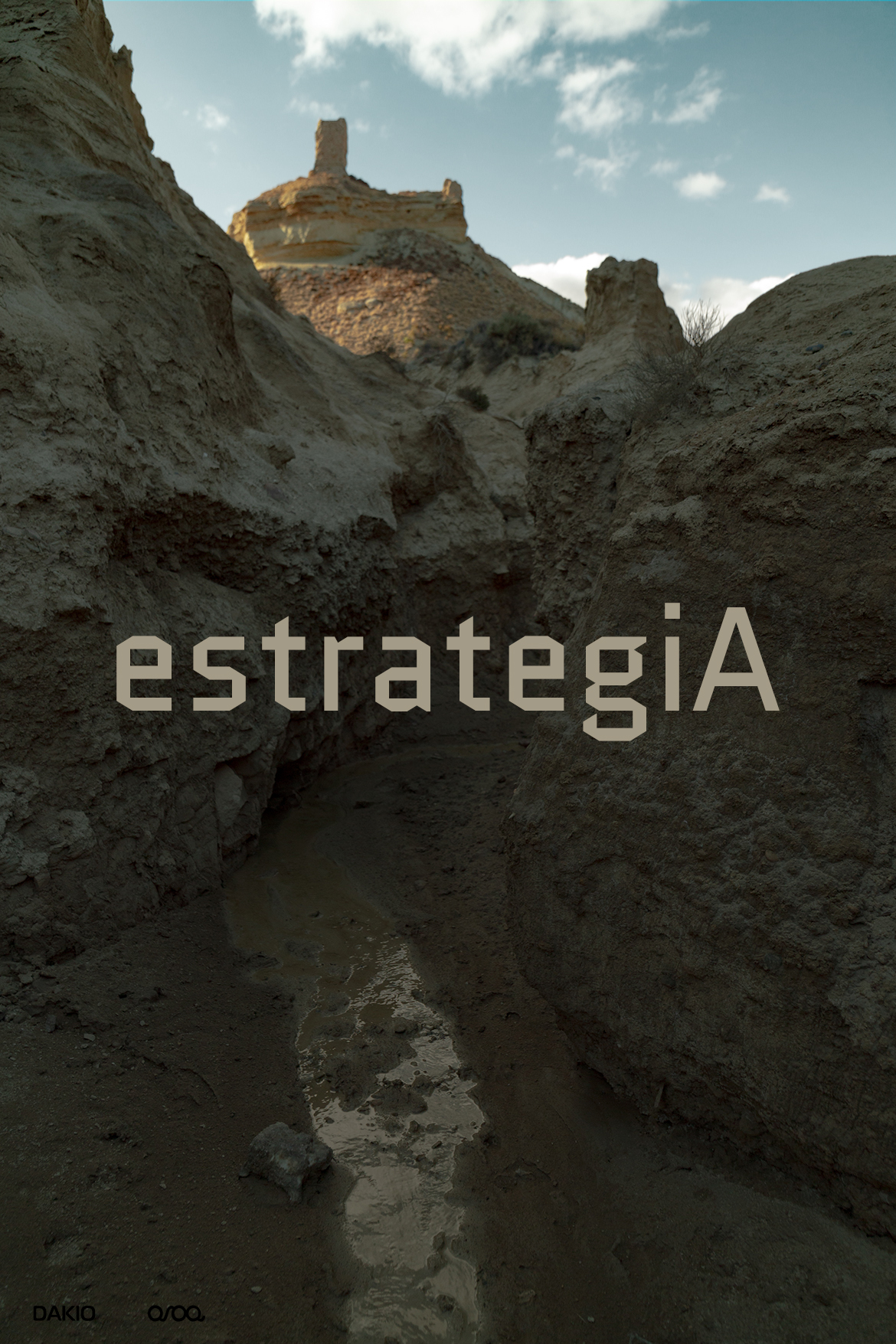
estrategiA | Entzunezkoa
Persons Vs. Peoples: An Analysis of Imperialist Strategy
In contemporary political and philosophical discourse, the concept of the “person” is often invoked as the foundational unit of ethics, law, and social organization. Liberal thought presents the individual as the core of moral and legal consideration, asserting that every person possesses inherent dignity and rights. While this appears noble, a closer analysis reveals profound tensions between the abstract notion of the “person” and the concrete reality of peoples. This essay will argue that the prioritization of the abstract person over the political reality of a people serves as a powerful tool of imperialist strategy, subtly disarming demands for self-determination by framing all political questions as matters of individual rights and legal frameworks...


 "Ezin dugu bestearen esparruaren barruan irabazi, bertatik ihes egin baino ezin dugu egin."
 "In the year-by-year accounts of true history, conquest, subjugation through arms and robbery, and the reign of brute force are and have always been the ultimate victors. In blessed handbooks, on the other hand, there are endless love stories." False stories invented to weaken poor people, for the service of the powerful. In this real world, the victors are not "good, beautiful, and tender-hearted" nations, but those that have learned to be strong, rich, tough, and cunning. Political relations have their foundation and target in the great forces between societies. Legal orders are also included within those relations...
 ESTRUCTURA DE CLASE,
 Hemos señalado en el apartado anterior algunas características específicas del poder político, principalmente las adscritas al género de recurso que utiliza para el desempeño de sus múltiples y variadas tareas. Ahora vamos a destacar otra propiedad que el poder político pretende siempre en las sociedades con estado, aunque con éxito desigual: la legitimidad que le asiste para ejercer el poder y la correlativa obligación de obedecer que comporta para todos los que viven bajo su jurisdicción...